
Frequently Asked Questions
A road traffic accident claim is a legal claim for compensation following an accident involving a motor vehicle where another party may be responsible for causing injury or loss.
You may be able to claim if another person was responsible for causing the accident and you suffered an injury or other recoverable loss as a result. The circumstances and evidence of each case will need to be considered.
Claims may be brought by drivers, passengers, pedestrians, cyclists and other road users, depending on the circumstances of the accident and the losses suffered.
Depending on the circumstances, claims can involve injuries such as whiplash, fractures, soft tissue injuries, back and neck injuries, psychological injuries and more serious injuries.
A whiplash injury may form part of a road traffic accident claim. Some lower-value RTA injury claims are subject to specific rules and procedures, including the Official Injury Claim process.
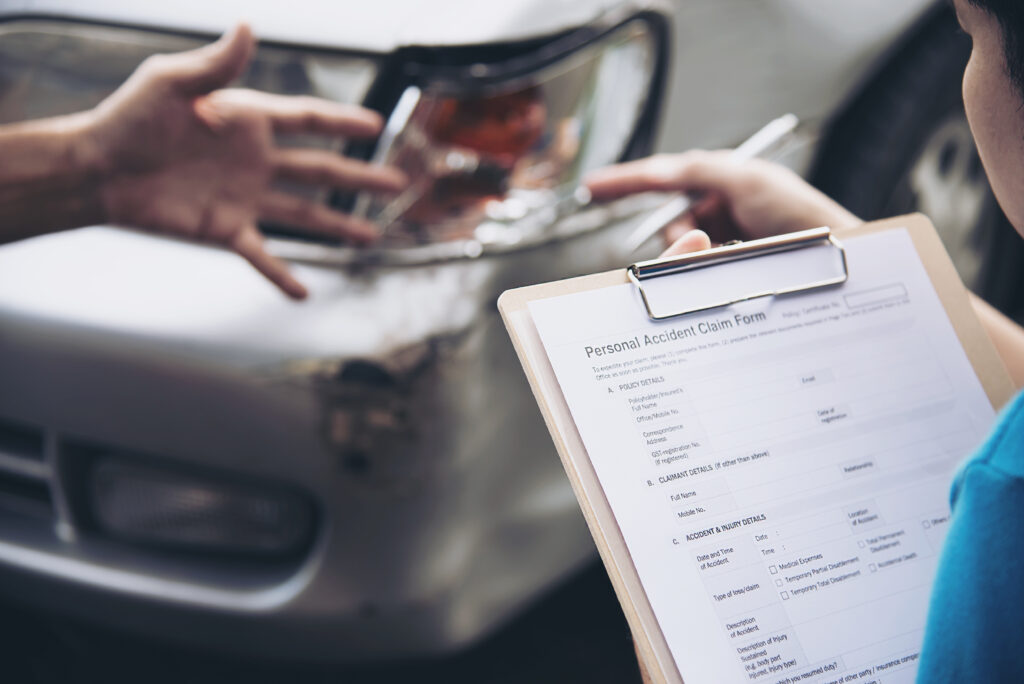
Evidence may include photographs, dashcam footage, witness details, accident reports, medical records, vehicle damage information and correspondence with insurers. The evidence required will depend on the circumstances of your claim.
Whether an accident should be reported to the police depends on the circumstances. If the accident involves serious injury, suspected offences, or other circumstances requiring police involvement, appropriate reporting may be necessary.
There may be routes for pursuing compensation where the driver responsible for an accident was uninsured. The appropriate process will depend on the circumstances of the accident.
There may be procedures for claims involving unidentified drivers, including certain claims handled through the Motor Insurers’ Bureau. The circumstances of the accident will determine the appropriate route.
Yes, passengers may be able to make a claim if they have suffered injuries or losses as a result of an accident. This can apply even where the passenger was travelling in the vehicle involved in the accident.
Pedestrians and cyclists may be able to claim compensation if they are injured in an accident caused by another road user. Evidence concerning how the accident happened will be important.
A claim may still be possible where responsibility is shared. However, the amount of compensation may be affected by the extent to which you are found to have contributed to the accident.
Personal injury claims generally have a three-year limitation period, although the rules can vary depending on the circumstances. It is important to obtain legal advice as soon as possible rather than waiting until the deadline approaches.
The value of a claim depends on factors such as the nature and severity of the injury, recovery period, financial losses and other losses that may be legally recoverable. Medical evidence can be important when assessing an injury claim.
Depending on the circumstances, you may be able to claim for loss of earnings and certain other financial losses resulting from your accident and injuries. Supporting evidence may be required.
If liability is disputed, evidence will need to be considered to determine how the accident occurred and who may be responsible. Negotiations may continue, and court proceedings may be considered where appropriate.
Not necessarily. Many claims are resolved through negotiation or applicable pre-action procedures. If a settlement cannot be reached or liability remains disputed, court proceedings may become necessary.
The timeframe varies depending on the severity of the injuries, complexity of the accident, availability of evidence, medical recovery and whether liability is disputed.
Where possible, ensure everyone is safe, seek appropriate medical attention, exchange relevant details, record evidence such as photographs and witness information, and report the accident where required. You should also consider obtaining legal advice before accepting a settlement.
MYM Solicitors can assess your circumstances, advise you on the relevant legal process, help gather evidence, deal with insurers, consider your injuries and losses, negotiate where appropriate and assist with further legal proceedings if required.